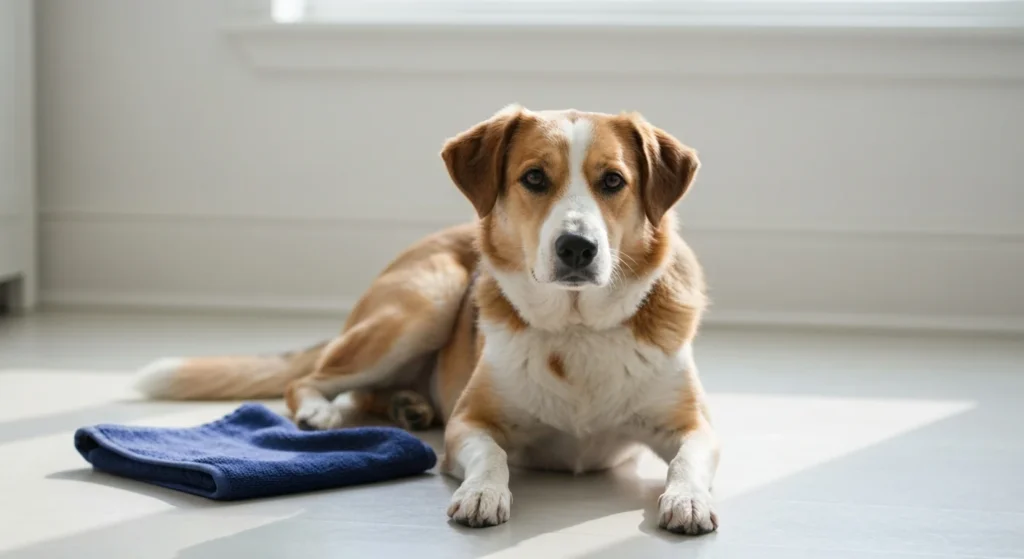
Dog UTI home treatment. Understanding how to treat a dog UTI at home begins with recognizing the signs and knowing when to manage mild symptoms versus when a veterinarian’s intervention is essential. A urinary tract infection (UTI) in dogs causes discomfort and can lead to more serious complications if not addressed properly. This guide provides owner-centric information, drawing from veterinary expertise, to help you navigate potential UTIs. It emphasizes observation and appropriate action, while strictly avoiding diagnosis or prescription. We will cover the typical signs owners might observe, differentiate between manageable at-home care and urgent vet visits, and detail crucial information for your veterinarian. This content is for informational purposes only and is not a substitute for professional veterinary advice. Always consult your vet for any health concerns regarding your dog’s well-being.
Quick Answer: Dog UTI Home Treatment
Short answer: While definitive dog UTI home treatment requires veterinary diagnosis and prescription, owners can support their dog’s comfort and monitor symptoms at home. This includes ensuring ample fresh water intake, preventing the dog from holding urine for extended periods, and maintaining a clean environment. However, signs like frequent straining, blood in urine, lethargy, or fever necessitate immediate veterinary attention. Home care focuses on hydration and comfort but cannot cure a bacterial infection; only a vet can prescribe antibiotics. Always consult your veterinarian for an accurate diagnosis and treatment plan for a dog UTI.
Why Understanding Dog UTI Home Care Matters
As a dog owner managing a sensitive digestive system, I’ve learned that proactive observation and understanding symptom patterns are key to your dog’s health. Knowing the boundaries of home care for a suspected dog UTI is critical. While prompt veterinary intervention is critical for confirmed infections, understanding what you can safely do at home can provide comfort and support during the initial stages or for milder, recurring issues under veterinary guidance. The Merck Veterinary Manual notes that UTIs are common, particularly in female dogs, and can range from mild to severe [L3]. Recognizing the nuances allows you to act confidently, distinguishing between a situation where you can offer supportive care and when immediate professional help is non-negotiable. This knowledge empowers you to provide the best possible care and avoid potential complications like kidney infections or bladder stones, which can arise from untreated or improperly managed UTIs. For more on this topic, see our dog digestive respiratory.
Furthermore, understanding the ‘why’ behind potential home care measures can prevent over-reliance on anecdotal remedies that might be ineffective or even harmful. For instance, while increased water intake is generally beneficial for urinary health, it’s not a cure for a bacterial infection. Providing a clean, stress-free environment and ensuring your dog can urinate freely are supportive actions that align with veterinary recommendations. This approach mirrors how I track my own dog’s digestive sensitivities: observing patterns, understanding normal versus abnormal, and knowing precisely when to seek expert veterinary input. Such diligence ensures that suspected dog UTI home treatment strategies are safe, supportive, and always in partnership with your veterinarian.
Dog UTI Symptoms: When to Wait and Watch vs. Call the Vet
managing the potential signs of a dog UTI requires careful observation, as many symptoms overlap with other conditions. The American Veterinary Medical Association (AVMA) emphasizes that accurate diagnosis is key, as urinary issues can stem from various causes [L1]. Here’s a breakdown to help you triage:
Wait and watch (for mild, non-progressive symptoms, typically after consulting your vet): Related: our dog leg brace.
- Slightly increased frequency of urination without straining or pain.
- Urinating small amounts more often than usual, but without obvious discomfort.
- Occasional accidents indoors, especially if the dog is otherwise acting normally and has no other urinary signs.
- Drinking more water than usual, which can sometimes precede or accompany urinary changes.
- A very mild, brief period of hesitation before urination.
Call your vet now:
- Visible blood in the urine (hematuria), especially if it’s more than just a tinge.
- Straining to urinate (dysuria) for more than a few minutes, or repeated attempts with little to no urine produced.
- Crying or yelping when attempting to urinate, indicating pain.
- Urinating very frequently with only small amounts, or dribbling urine constantly.
- Sudden lethargy, decreased appetite, or vomiting, which can signal a more severe infection or complication like kidney involvement.
- Fever (rectal temperature above 103.5°F or 39.7°C), a sign of systemic illness.
- Any changes in urine color or odor that are pronounced and persistent.
- If your dog hasn’t urinated at all in 24 hours, this is a critical emergency.
It’s crucial to remember that these guidelines are for initial assessment. If you observe any of the ‘call your vet now’ signs, do not delay. Early veterinary diagnosis and treatment are essential for effective dog UTI home care support and preventing serious health issues.
Step-by-Step Guide to Supporting Your Dog During a Suspected UTI
If your veterinarian has diagnosed a UTI and prescribed medication, or if they have advised supportive home care for mild symptoms, here are actionable steps you can take. Remember, these are not cures but supportive measures to aid recovery or manage mild signs under veterinary direction. Never administer human medications or supplements without explicit veterinary approval.
- Ensure Constant Access to Fresh Water: Hydration is critical. A dog UTI requires flushing the urinary tract. Make sure your dog has unlimited access to clean, fresh water at all times. Consider adding a water bowl in multiple locations. Clean the bowls daily to prevent bacterial growth. This step aids in diluting urine and encouraging more frequent urination, helping to flush out irritants.
- Encourage Frequent Potty Breaks: Do not let your dog hold their urine for long periods. Take them outside more frequently than usual, perhaps every 2-3 hours, especially during waking hours. This helps prevent urine from stagnating in the bladder and reduces the time bacteria have to multiply. Positive reinforcement for successful urination outdoors can be beneficial.
- Maintain a Clean Environment: Keep your dog’s living area clean, especially around their potty spots. For female dogs, gently cleaning the vulvar area with a damp cloth (water only, unless otherwise directed by your vet) after urination can help remove irritants and reduce the risk of external contamination. Ensure bedding is clean and dry.
- Administer Medications Exactly as Prescribed: If your vet has prescribed antibiotics or other medications, administer the full course exactly as directed, even if your dog’s symptoms improve. Stopping early can lead to a recurrence of the infection or the development of antibiotic resistance. Follow the dosage schedule precisely.
- Monitor Appetite and Energy Levels: Keep a close eye on your dog’s overall well-being. A healthy appetite and normal energy levels are good indicators. Lethargy, refusal to eat, or other signs of distress warrant a call to your veterinarian, as they could indicate the infection is worsening or spreading.
- Observe Urine Output and Characteristics: Note any changes in the color, odor, or volume of your dog’s urine. Track if straining or discomfort persists. Documenting these observations is crucial information for your veterinarian if symptoms don’t resolve as expected or if they worsen.
These steps focus on supportive care and adherence to veterinary treatment plans, forming the core of responsible dog UTI home care.
Common Misconceptions About Dog UTIs
Myth: Cranberry supplements can cure a dog UTI.
Reality: While cranberries are often discussed for urinary health, their effectiveness in curing a confirmed bacterial UTI in dogs is not scientifically proven. research suggest they might help prevent bacteria from adhering to the bladder wall, potentially aiding in prevention or mild symptom management, but they cannot eliminate an existing infection. The AVMA highlights that definitive treatment for bacterial UTIs relies on antibiotics prescribed by a veterinarian [L1]. Relying solely on cranberry supplements for an active infection can delay necessary medical treatment.
Myth: All urinary issues in dogs are UTIs.
Reality: Urinary symptoms such as frequent urination, straining, or blood in the urine can indicate various conditions beyond a simple UTI. These can include bladder stones, crystals, inflammation of the bladder (cystitis) from other causes, kidney disease, diabetes, hormonal imbalances, or even tumors. VCA Animal Hospitals advises that a proper diagnosis requires diagnostic tests like urinalysis and potentially imaging [L3]. Assuming every urinary symptom is a UTI can lead to incorrect treatment and missed diagnoses for more serious underlying issues.
Myth: My dog can take human UTI medication.
Reality: Never give your dog human medications, including antibiotics or pain relievers, unless explicitly directed to do so by your veterinarian. Human drugs can be toxic to dogs, and dosages are vastly different. What is safe for humans can be dangerous or even fatal for dogs. The Merck Veterinary Manual stresses that veterinary-prescribed medications are formulated and dosed specifically for canine physiology [L3].
Myth: Once treated, a dog UTI will never return.
Reality: While many dogs recover fully after appropriate treatment, some dogs are prone to recurrent UTIs. Factors like anatomy (especially in female dogs), underlying medical conditions (like diabetes or Cushing’s disease), or bladder issues can contribute to repeat infections. Your veterinarian may recommend long-term management strategies or further diagnostics if UTIs occur frequently. This is why consistent follow-up and adherence to veterinary advice are crucial for long-term urinary health.
What to Document for Your Veterinarian
Providing your veterinarian with detailed, accurate information is invaluable for diagnosing and treating your dog’s condition effectively. When you suspect a urinary issue, keep a log of the following observations to assist them in their assessment and to inform effective dog UTI home care strategies:
- Frequency of Urination: How often is your dog trying to urinate? Note if it’s more frequent than their normal pattern.
- Amount of Urine: Are they producing normal volumes, small amounts, or just straining with no output?
- Presence of Blood: Is there any visible blood in the urine? Note the color (pink tinge, dark red, clots).
- Straining or Discomfort: Does your dog appear to struggle or show signs of pain (yelping, crying) when trying to urinate?
- Accidents: How often are accidents occurring indoors? When do they happen (e.g., after drinking, during play)?
- Urine Odor/Color: Has the urine developed a strong, foul odor or changed color significantly (e.g., cloudy, dark)?
- Appetite and Thirst: Has your dog’s appetite decreased? Are they drinking significantly more or less water?
- Energy Levels and Behavior: Are they acting lethargic, restless, or showing any unusual behavior?
- Duration of Symptoms: How long have these signs been present? Note the exact start time if possible.
- Response to Any Home Care: If you’ve implemented supportive measures (like increased water intake), note if you see any changes.
This complete list helps your vet differentiate between mild issues and serious conditions, ensuring the best course of action for your dog.
Frequently Asked Questions About Dog UTIs
Can a dog UTI go away on its own?
While very mild urinary irritation might resolve with increased hydration and frequent voiding, a true bacterial urinary tract infection (UTI) in dogs rarely resolves on its own. The American Veterinary Medical Association (AVMA) recommends veterinary diagnosis and antibiotic treatment for bacterial UTIs [L1]. Delaying treatment can lead to the infection worsening, spreading to the kidneys, or causing significant discomfort.
How long does it take for antibiotics to work for a dog UTI?
With appropriate antibiotic therapy prescribed by a veterinarian, you should typically see an improvement in your dog’s symptoms within 24 to 72 hours. However, it is crucial to complete the entire course of antibiotics as prescribed, even if your dog seems to be feeling better. Stopping medication early can result in the infection returning or developing resistance.
What are the signs of a severe UTI in dogs?
Severe UTI symptoms can include significant blood in the urine, intense pain or straining during urination, lethargy, loss of appetite, vomiting, fever, or a complete inability to urinate. These signs suggest the infection may be advanced, potentially affecting the kidneys, or causing a blockage, which are serious emergencies requiring immediate veterinary attention.
Can stress cause UTI-like symptoms in dogs?
Yes, stress can sometimes manifest in urinary behaviors that mimic a UTI, such as increased urination frequency or accidents in the house. This is often related to anxiety or behavioral changes rather than a bacterial infection. However, it’s essential to rule out a true UTI with a veterinarian, as stress-related urinary issues can sometimes coexist with or mask an actual infection. Observing other symptoms like straining or blood can help differentiate.
What is the typical veterinary approach to diagnosing a UTI?
A veterinarian will typically start with a thorough physical examination and a discussion of your dog’s symptoms. key to diagnosis is a urinalysis, which checks for bacteria, white blood cells, red blood cells, and crystals in the urine. Depending on the findings, they may also recommend a urine culture and sensitivity test to identify the specific bacteria and determine the most effective antibiotic. Additional diagnostics like blood work or imaging (X-rays, ultrasound) may be performed to rule out other underlying causes.
Are certain dog breeds more prone to UTIs?
While any dog can develop a UTI, certain factors can increase risk. Female dogs, due to their shorter urethras, are anatomically more prone to UTIs than males. Dogs with underlying health conditions like diabetes, kidney disease, or compromised immune systems are also at higher risk. research suggest smaller breeds might have a slightly higher incidence, but breed alone is not a primary predictor; lifestyle and overall health are more significant factors.
Conclusion: Partnering with Your Vet for UTI Care
Effectively managing a suspected dog UTI involves a partnership between attentive owners and veterinary professionals. While supportive measures like ensuring hydration and encouraging frequent potty breaks can aid comfort and recovery, they are not substitutes for veterinary diagnosis and treatment. Recognizing the specific signs that warrant immediate veterinary consultation is critical to prevent complications. Always prioritize your veterinarian’s advice for accurate diagnosis, prescribed medications, and follow-up care. This complete approach ensures your dog receives the most appropriate and effective treatment for their urinary health concerns.